Introduction
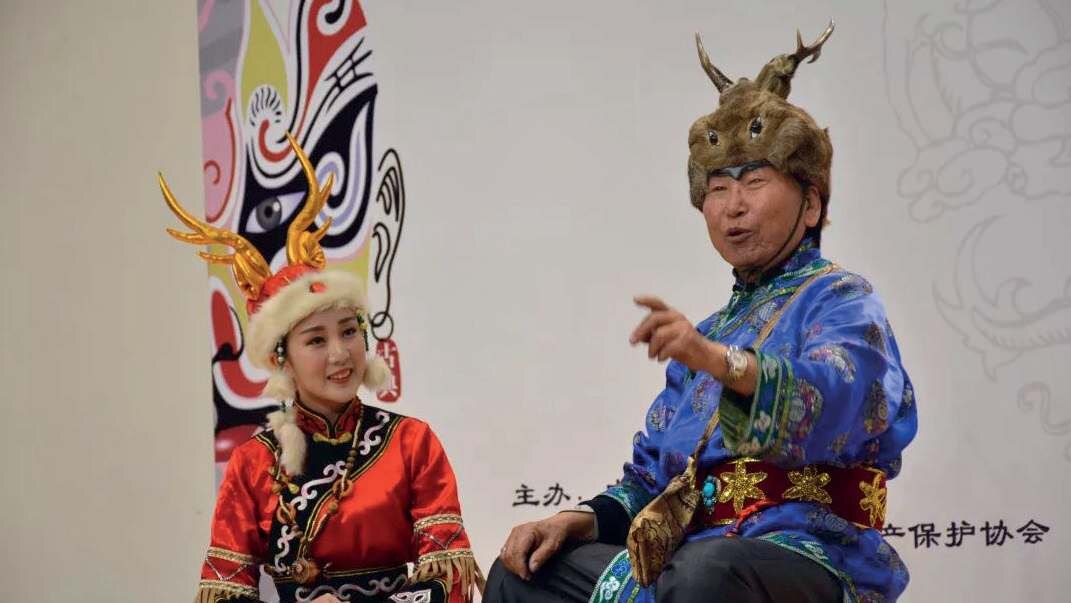
ON DECEMBER 8-13, 2025, AT THE 20TH SESSION of the UNESCO Intergovernmental Committee for the Safeguarding of the Intangible Cultural Heritage held in New Delhi, it was decided to transfer China’s “Hezhe Ethnic Group’s Imakan” from the List of Intangible Cultural Heritage in Need of Urgent Safeguarding to the Representative List of the Intangible Cultural Heritage of Humanity, and to include it in the Register of Good Safeguarding Practices (SCIO, 2025; UNESCO, 2025). This decision represents the first instance in which a Chinese Intangible Cultural Heritage (ICH) element has simultaneously achieved both list transfer and inclusion in the Register of Good Safeguarding Practices, reflecting the effectiveness of China’s long-term safeguarding mechanisms since its ratification of the UNESCO Convention in 2004.
Over the past two decades, through multidimensional integrated efforts encompassing legislative safeguards, resource integration, technological empowerment, and academic research, China has achieved substantial advances in safeguarding ICH. Notable accomplishments include establishing a distinctive legal framework and policy system with Chinese characteristics, developing a comprehensive four-tier inventory system for ICH, expanding the ranks of ICH inheritors, innovating regional holistic safeguarding practices, promoting deep integration between ICH and modern economic and social development, and achieving significant results in international exchange and cooperation. However, this process also faces numerous severe challenges. These include the impact of globalization and urbanization on the survival environment of intangible cultural heritage; risks such as a shrinking pool of inheritors, an aging demographic, low social recognition, and inadequate economic incentives; intensified risks of excessive commercialization and “alienation”; and regional development imbalances. To effectively address these challenges, this paper proposes corresponding recommendations to promote the sustained and healthy development of China’s intangible cultural heritage protection efforts. Ultimately, it aims to distill transferable insights from the Chinese context to inform cultural heritage governance and foster civilizational exchange and mutual learning among participating countries of the Belt and Road Initiative (BRI).
Practical Experience in China’s Intangible Cultural Heritage Protection Efforts
This section analyzes China’s ICH safeguarding system by critically examining policy documents, official statistics, and representative case studies. Case selection was guided by considerations of regional representativeness (e.g., Xinjiang, Hunan, Shaanxi, Jiangsu, Yulin, Zunyi) and the availability of documented outcomes that illustrate key mechanisms, such as legal frameworks, inheritor training, regional conservation models, and commercialization trends. To date, China has 45 items inscribed on UNESCO’s lists and registers of intangible cultural heritage. Among these, 40 are included in the Representative List, 3 are on the Urgent Safeguarding List, and 2 are featured in the Register of Good Safeguarding Practices (SCIO, 2025). In quantitative terms, China ranks among the leading countries worldwide in the number of listed ICH elements (UNESCO, n.d.). More importantly, these achievements reflect the institutional maturity and policy effectiveness of China’s safeguarding system.
Building on the diversity of Chinese cultural traditions, China has established a four-tier ICH inventory system at the national, provincial, municipal, and county levels. Five batches comprising 1,557 national-level representative items have been announced, with the total number of registered items across all levels exceeding 100,000. These outcomes are supported by a comprehensive legal framework, an extensive network of heritage bearers, regionally integrated safeguarding practices, a strategic shift toward revitalization and sustainable use, and expanding international cooperation (IHCHINA, n.d.).
Policy Guidance Establishes a Legal Framework for Intangible Cultural Heritage Protection
Over the past two decades, China’s intangible cultural heritage protection has evolved from initial efforts focused on “documentation,” “preservation,” and ‘rescue’ to the current emphasis on “protection,” “transmission,” and “utilization.” This transformation hinges on the development of a relatively robust legal, regulatory, and policy framework. The Law of the People’s Republic of China on the Protection of Intangible Cultural Heritage, enacted and implemented on June 1, 2011 (National People’s Congress of the PRC, 2011), stands as a milestone in this endeavor. It legally enshrines the contemporary value and fundamental principles of safeguarding intangible cultural heritage, providing robust guarantees for the effective implementation, long-term execution, and efficient operation of protection policies. This legislation marks China’s comprehensive entry into a new phase of legally grounded protection of intangible cultural heritage.
Provinces and municipalities have successively introduced specialized regulations, implementation rules, and local protection ordinances to safeguard ICH. These provisions address numerous detailed issues in ICH protection to ensure that related work is conducted in accordance with the law, follows established procedures, and is carried out in a standardized manner. For instance, the Xinjiang Uygur Autonomous Region Regulations on the Protection of Intangible Cultural Heritage clarify governmental responsibilities, establish a representative project inventory system, and define the recognition and management of inheritors, emphasizing the protection and transmission of ethnic-specific intangible cultural heritage projects (People’s Government of Xinjiang Uygur Autonomous Region, 2005). The Hunan Province Implementation Measures for the Law of the People’s Republic of China on the Protection of Intangible Cultural Heritage elaborate on intangible cultural heritage surveys, safeguarding the rights and interests of inheritors, encouraging social participation in intangible cultural heritage protection, and promoting its integration with tourism, education, and other fields (Hunan Provincial People’s Government, 2015).
The Shaanxi Provincial Intangible Cultural Heritage Regulations emphasize holistic regional protection, emergency rescue preservation, and productive safeguarding, while encouraging the rational utilization of intangible cultural heritage resources to develop cultural products and services (People’s Government of Shaanxi Province, 2014). The Jiangsu Provincial Intangible Cultural Heritage Protection Regulations support integrating intangible cultural heritage into schools and communities, thereby strengthening its connection with modern life (Jiangsu Government Legal Affairs Network, 2012).
In addition, central and local governments have successively promulgated a series of important supporting measures and regulations to refine the policy framework for intangible cultural heritage protection. Examples include the Opinions on Strengthening the Protection of Intangible Cultural Heritage in China issued by the General Office of the State Council on March 26, 2005 (China Government Online, 2005); the Opinions on Further Strengthening the Protection of Intangible Cultural Heritage issued by the General Offices of the CPC Central Committee and the State Council in August 2021 (China Government Online, 2021b); the 14th Five-Year Plan for the Protection of Intangible Cultural Heritage released by the Ministry of Culture and Tourism in May 2021 (China Government Online, 2021a); The “Administrative Measures for National-Level Cultural Ecological Protection Areas” (Ministry of Culture and Tourism of the PRC, 2018) and the “Administrative Measures for the Recognition and Management of National-Level Representative Inheritors of Intangible Cultural Heritage” (Ministry of Culture and Tourism of the PRC, 2019). Together, these documents constitute an overarching policy and institutional framework for intangible cultural heritage safeguarding in China. This framework is characterized by strong government leadership, clearly defined administrative responsibilities, and the participation of specialized institutions such as ICH protection centers, museums, and professional associations, alongside broader societal involvement (State Council Gazette, 2020a, 2020b).
From the absence of national legislation for intangible cultural heritage protection before 2009, which left the field “without legal basis,” to the promulgation of the Law of the People’s Republic of China on the Protection of Intangible Cultural Heritage in 2011, and further to the comprehensive coverage of local regulations across all provincial-level administrative regions supplemented by multiple management measures, China’s legal framework for intangible cultural heritage protection has clearly demonstrated a progression from non-existence to existence, and from a single layer to a multi-tiered system of rule of law.
Talent pool forms the backbone of intangible cultural heritage protection
Bearers are vital to the protection of intangible cultural heritage. China has consistently prioritized building a representative bearer network, establishing a four-tier protection system at the national, provincial, municipal (prefectural), and county levels. Annual assessments and dynamic management are conducted for national-level bearers, complemented by an exit mechanism to incentivize them to fulfill their responsibilities effectively. As of March 13, 2025, the national-level representative inheritors total 3,998 individuals, joined by tens of thousands of provincial, municipal, and county-level inheritors forming a vast transmission network. The Chinese government continues to refine the representative-inheritor system. Building upon its pioneering recognition of inheritors at all levels, it has also increased support for their apprenticeship programs, skill transmission, and exchange activities. The “China Intangible Cultural Heritage Bearers Training Program,” jointly implemented by the Ministry of Culture and Tourism, the Ministry of Education, and the Ministry of Human Resources and Social Security since 2015, has trained over 40,000 bearers. Combined with extended training programs across regions, it has benefited more than 100,000 bearers. This represents a new educational model that cultivates inheritors’ capabilities in transmission, presentation, and promotion, as well as the enduring viability of intangible cultural heritage and the cultural confidence of inheritors through non-degree education. It effectively advances the protection and transmission of intangible cultural heritage (Ma, Ma, & Liu, 2020).
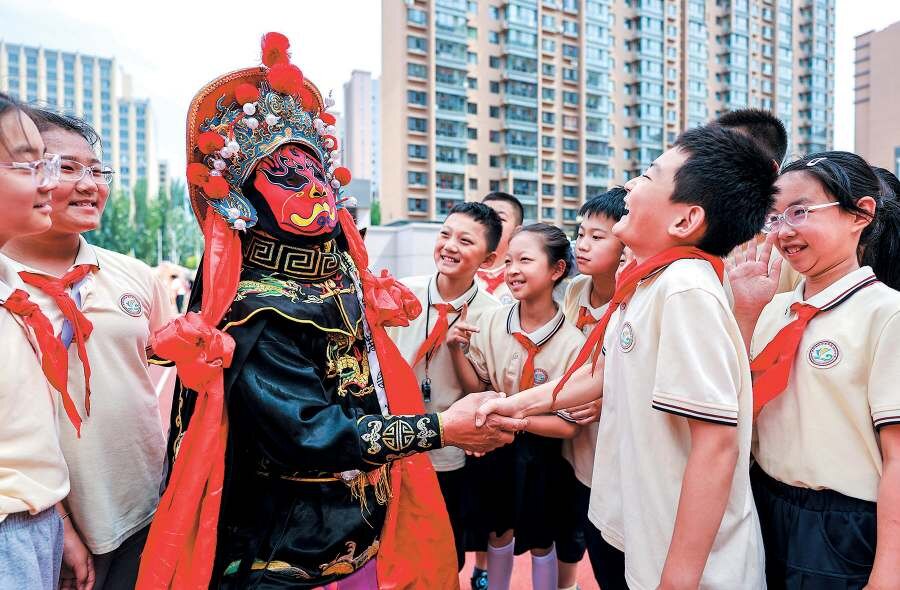
The “Intangible Cultural Heritage in Schools” initiative (hereinafter, “ICH in Schools”), guided by the Ministry of Education, is also a key measure to expand the ranks of inheritors. In accordance with key policy directives, including the Moral Education Guidelines for Primary and Secondary Schools, the Notice on Conducting Intangible Cultural Heritage Education in Off-Campus Activity Venues for Minors, and the Implementation Plan for Introducing Traditional Chinese Opera into Schools under the Project for the Inheritance and Development of China’s Excellent Traditional Culture, a multi-faceted approach has been adopted to integrate traditional cultural education into the academic framework. This encompasses organizing national arts performances for students across educational stages, delivering on-campus ICH lectures and exhibitions, facilitating experiential learning visits to local ICH museums, encouraging the appointment of ICH inheritors as part-time instructors, supporting the development of age-appropriate ICH teaching materials, and incorporating ICH content into specialized curricula within primary and secondary schools. These efforts guide students to “learn, utilize, and showcase intangible cultural heritage, “ allowing it to take root and flourish on campus (Ministry of Education of the PRC, 2015, 2017).
Strategic Transformation in Intangible Cultural Heritage Protection Through Revitalization and Utilization
Innovative regional, holistic conservation practices rooted in cultural ecology principles mark a shift in China’s approach to intangible cultural heritage protection—from isolated preservation to ecosystem-level living conservation. The establishment of national-level cultural ecological conservation (experimental) zones embodies this core philosophy. The 23 established national-level cultural ecological conservation (pilot) zones and over 250 provincial-level cultural ecological conservation zones focus not only on intangible cultural heritage items themselves but also on the natural environments, cultural ecosystems, and community relationships that nurture and sustain them (Zhu, 2025). This holistic approach has formed a multi-tiered regional conservation network, facilitating the healthy preservation and sustainable development of intangible cultural heritage within specific areas.
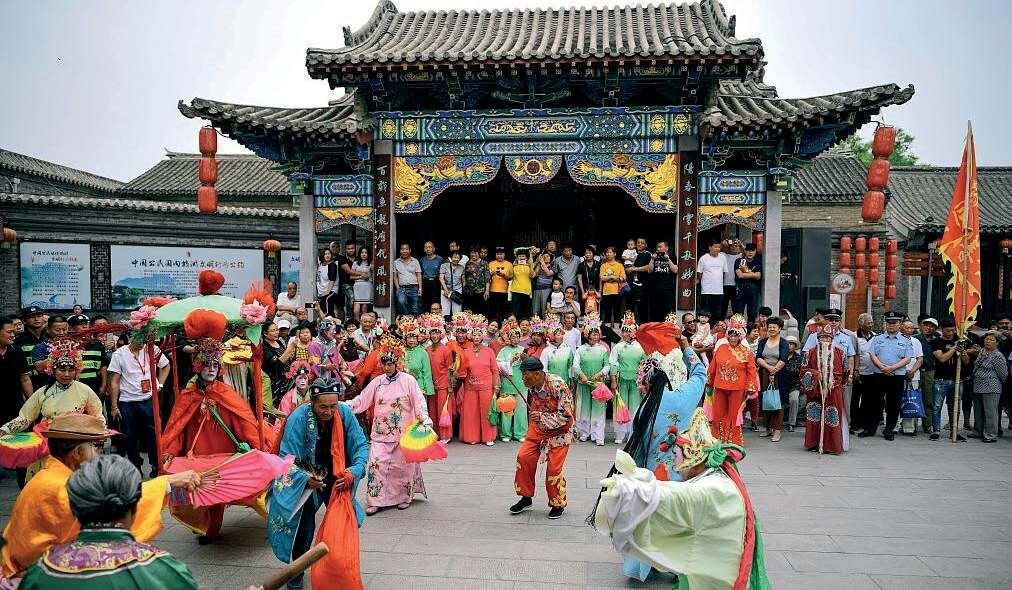
Integrating ICH protection into traditional villages and community development is a crucial pathway to holistic regional conservation. China actively promotes the integration of ICH preservation with the development of traditional villages, historic and cultural cities, towns, and beautiful leisure villages, thereby enhancing the cultural richness of rural areas. Simultaneously, efforts to protect ICH are strengthened within new urbanization initiatives, while the “ICH in Communities” program is comprehensively advanced. This approach transforms intangible cultural heritage from a “relic” confined to museums into an integral part of community culture, deeply embedded in people’s daily lives. Unlike traditional preservation models focused on individual projects or skills, this systematic approach aims to achieve holistic and sustainable development of intangible cultural heritage, effectively preventing the risk of “isolated preservation.”
The shift from “preservation” and “transmission” to “revitalization” and “utilization” marks a strategic transformation in the protection of intangible cultural heritage. The deep integration of intangible cultural heritage and tourism stands as one of its most dynamic manifestations. China has launched numerous themed tourism routes, educational travel products, and representative cultural works featuring distinctive intangible cultural heritage. For instance, Yulin in Shaanxi Province leverages popular attractions such as the Yulin Ancient City and the Northern Shaanxi Folk Song Museum to develop innovative cultural tourism projects, including “intangible cultural heritage + festivals,” “intangible cultural heritage + performances,” and “intangible cultural heritage + educational tours.” Zunyi, Guizhou, has developed tourism attractions at the World Heritage site of Hailongtun. By collaborating with local universities like Zunyi Normal University, it explores the governance wisdom of ancient Chinese dynasties in frontier ethnic regions. Through the operational philosophy of “cultivating tourism through culture and highlighting culture through tourism,” it attracts visitors nationwide. The establishment of intangible cultural heritage workshops has become a key driver for rural revitalization and employment growth. Leveraging abundant intangible cultural heritage resources, over 9,100 workshops have been established nationwide, directly employing more than 270,000 individuals who have escaped poverty, with an average annual income exceeding 36,000 yuan (Wang, 2025).
New media platforms such as livestreaming, short-form videos, and e-commerce have become vital channels for ICH preservation. Data shows that in 2022, the number of ICH shops on Taobao reached 32,853, a 9.5% increase from 2020. ICH transaction volume grew by 11.6% compared to 2020, with ICH consumers now numbering in the hundreds of millions. Notably, younger generations (born after the 1990s and 2000s) are emerging as the primary consumer force for ICH products (Shen, 2025).
The development of digital collectibles has emerged as a hot topic in ICH preservation. Television programs and online courses such as “China Through ICH” and “ICH Open Courses” have gained widespread popularity. The Ministry of Culture and Tourism, the Ministry of Education, and other departments have jointly promoted the development of ICH-related academic disciplines. According to the Ministry of Culture and Tourism’s response to Proposal No. 3164 submitted to the Third Session of the 14th National People’s Congress, as of 2025, 25 undergraduate institutions have established ICH preservation majors, forming a cluster of ICH disciplines with growing academic prominence (Ministry of Culture and Tourism of the PRC, 2025c).
Academic Research Expanding the Scope of Intangible Cultural Heritage Protection
Chinese academic research on the protection of ICH primarily encompasses five key thematic areas. The first strand explores conceptual frameworks related to ICH safeguarding, such as cultural ecological conservation areas (Zhu, 2025) and intangible cultural heritage communities (Han & Gao, 2020). The second category investigates preservation strategies, including productive preservation (Huang, 2026), holistic preservation (Yang, 2025), intellectual property protection (Rao & Dong, 2025), digital preservation (Nie, 2025), and the safeguarding of folk cultural traditions (Shan, 2013). A third focus is on the transmission and protection of ICH within ethnic minority communities. For instance, based on fieldwork in Guizhou province, Wen (2013) identifies four key issues in the protection of ethnic ICH inheritors. Fourth, scholars examine the role of institutions such as historic cities, museums, and libraries. Feng and Zhao (2022), for example, argue that community museums can effectively showcase the dynamic process of ICH preservation through the collaborative participation of diverse stake holders. Finally, a significant body of research addresses tourism development in the context of ICH. Li and Jia (2026), using 12 cities and counties in southwestern Hubei as case studies, construct an evaluation system for ICH tourism potential and assess these regions using factor analysis and IPA. Most research findings continue to expand the connotations and extensions of issues related to intangible cultural heritage and modernization, ethnic communities, cultural diversity, cultural transmission, and heritage education.
Chinese scholars have also actively explored the development of academic disciplines for the protection of ICH. For instance, Song and He (2019) argue that building ICH protection capacity is a long-term, systematic endeavor that requires specialized disciplines to provide stable, professional academic support. Sun Yat-sen University has established ICH-focused academic programs and disciplines, including master’s and doctoral programs, to promote interdisciplinary integration and professional development in ICH protection research—a pioneering attempt. Gao (2025) argues that the development of intangible cultural heritage studies should shift from “dissecting” disciplinary research toward “interdisciplinary” academic innovation and development within the context of cultural ecological diversity. Pu and Zhang (2025) argue that efforts should be grounded in the development of disciplinary frameworks, academic systems, and discursive structures to strengthen the logical underpinnings of theoretical systems. Rooted in China’s national conditions and current realities, these efforts should uphold subjectivity and originality, thereby accelerating the development of China’s autonomous knowledge system.
International Exchange and Cooperation of Intangible Cultural Heritage Protection
Since acceding to the UNESCO Convention for the Safeguarding of the Intangible Cultural Heritage in August 2004, China has actively participated in all activities under the Convention’s framework, vigorously promoted the healthy development of the international convention, and established itself as a responsible cultural power on the global stage, earning recognition as a responsible actor in global cultural governance. According to UNESCO, China currently holds the world’s largest number of items inscribed on its national lists of intangible cultural heritage (UNESCO, n.d.). This demonstrates its active contributions and fulfillment capabilities in the international field of intangible cultural heritage protection, while also consolidating and enhancing the international voice and influence of Chinese culture.
Established to address the growing demand for capacity-building in ICH safeguarding across the Asia-Pacific region, the UNESCO International Training Centre for the Safeguarding of the Intangible Cultural Heritage in the Asia-Pacific Region (hereinafter referred to as “the Asia-Pacific Centre”
) has implemented annual training programs since 2014. These programs encompass key areas such as ICH capacity-building frameworks, the integration of ICH in education, and the training of ICH instructors. The Centre’s ongoing efforts were underscored by the convening of the ninth meeting of its Governing Board in Beijing on January 14, 2020. The establishment and work of the Centre demonstrate the international community’s recognition of China’s efforts in ICH safeguarding (China Daily, 2020). This collaboration with UNESCO represents a significant model of international cultural cooperation and provides a key platform for China to contribute to and strengthen ICH protection capacities across the Asia-Pacific region. China has pioneered international cooperation by jointly nominating and safeguarding shared intangible cultural heritage with neighboring countries. It also places great emphasis on strengthening exchanges with countries along the Belt and Road Initiative to uphold national sovereignty and cultural security. As a signatory to the Convention on Cultural Diversity, China supports, participates in, and hosts UNESCO’s cultural diversity festivals to enhance global understanding of the unique essence and charm of Chinese culture (Phoenix.com, 2015).
Currently, intangible cultural heritage has become a vibrant golden calling card, propelling Chinese culture onto the global stage. For instance, “The Spring Festival—Social Practices of the Chinese People Celebrating the Traditional New Year” was successfully inscribed on UNE- SCO’s Representative List of the Intangible Cultural Heritage of Humanity in 2024. However, approximately one-fifth of the world’s population celebrates the New Year, with nearly 20 countries designating the Lunar New Year as a statutory holiday. China continues to explore the establishment of a multidimensional digital integration mechanism system, developing diverse dissemination channels and platforms. Through various formats such as TV dramas, documentaries, promotional videos, stage plays, and short videos, China showcases the unique charm of its intangible cultural heritage to the world, enhancing the international influence of Chinese culture (China Social Sciences Network, 2024).
The Real Challenges Facing China’s Intangible Cultural Heritage Protection Efforts
The first challenge is the shift in survival environments brought about by globalization and urbanization. In the past, intangible cultural heritage was an integral part of ordinary people’s daily lives and served as a bond for community and emotional connections. Now, with intensified cross-regional population mobility and accelerated lifestyles, these functions are gradually weakening. Research indicates that the disappearance or decline of traditional villages directly severs the physical spaces and cultural transmission networks upon which intangible heritage relies. The living transmission of many intangible heritage items, particularly those tied to specific regions, villages, and folk customs, depends on intact community ecosystems (Yan & Du, 2016). However, amid the tide of urbanization, numerous villages have been transformed or vanished, with original residents gradually relocating. This uproots the “foundation” of intangible cultural heritage, destabilizing cultural ecosystems. Such phenomena are sometimes even viewed as “so-called ‘constructive destruction’ (where modernization efforts inadvertently erode heritage authenticity)— where the pursuit of modernization inadvertently undermines the authenticity of cultural heritage”. The negative impacts of industrialization and urbanization on the survival environment of intangible cultural heritage also include changes in traditional lifestyles, fading cultural memories, and the alienation of youth from local culture. These factors intertwine to form a complex challenge. If economic and social development fails to balance cultural ecology adequately, it may even lead to the predicament of intangible cultural heritage projects “being ‘saved’ only to be lost once more”.
The second challenge is the development of inheritors, who face numerous challenges. The core of keeping intangible cultural heritage projects alive lies in cultivating inheritors, yet the current system grapples with deep-seated issues, including a talent gap, an aging population, and insufficient social status and economic security. Many intangible cultural heritage skills, which rely on oral transmission and hands-on instruction, are often mastered by elderly practitioners. Young people, for various reasons, are reluctant to invest the time and effort required, posing significant challenges to the traditional master-apprentice model in modern society. Despite long-standing government subsidies for national-level inheritors, many intangible cultural heritage projects yield minimal economic returns, failing to support the daily expenses of inheritors and their families. Consequently, many inheritors must seek long-term employment elsewhere to sustain their livelihoods, diverting their energy away from heritage transmission. For instance, practitioners of the Gaoshan ethnic group’s intangible cultural heritage in Hua’an, Fujian, have left their communities due to economic pressures and environmental changes, stalling transmission efforts (Hong, 2025). Similarly, practitioners of Miao silver smithing techniques in Kongbai Village, Guizhou, face comparable challenges, as younger generations increasingly choose migrant work over inheriting traditional crafts. Economic pressures and a lack of cultural identity draw inheritors toward modern industries. Contemporary youth, influenced by urban education and diverse forms of entertainment, lack a deep understanding of rural communities and traditional culture. This generational disconnect in cultural identity diminishes their “cultural need” for intangible heritage, thereby weakening the momentum of endogenous transmission.
The third challenge is the heightened risk of excessive commercialization and “alienation.” With the rapid development of the cultural tourism industry, many intangible cultural heritage projects have been incorporated into tourism development plans. However, excessive, unreasonable, and disorderly development has become widespread. Driven by the pursuit of potential commercial gains, the development process of some projects appears overly hasty and profit-driven, treating intangible cultural heritage as purely commercial products and undermining their “authenticity” and “genuineness.” Overcommercialization may also lead to the homogenization of tourism products, resulting in a lack of cultural distinctiveness. For instance, the products and cuisine showcased in various ancient towns often become overly mainstream, making it difficult for them to serve as windows into local characteristics and ethnic cultures. Some regions have witnessed the emergence of “pseudo-folklore” and “fake intangible cultural heritage” phenomena. Certain stakeholders and unscrupulous businesses have resorted to “colluding with government officials, bribing experts, and deceiving media” under the guise of protecting intangible cultural heritage, effectively commercializing and commodifying cultural assets. This undermines the rational protection and orderly development of ICH projects. For instance, the municipal-level ICH project “Zhou Family Bone Setting Technique” in Inner Mongolia was revoked due to fraudulent practices (Sina, 2022). Intellectual property protection for intangible cultural heritage projects also faces complex challenges. The unclear ownership of many intangible cultural heritage works leads to infringement disputes and legal blind spots in commercial utilization. For example, the infringement lawsuit involving the Suzhou embroidery piece “Drunken Concubine” highlighted the conflict between traditional creative concepts and existing laws, as well as the obstacles facing judicial protection of intangible cultural heritage (Bian, 2021). Certain countries and multinational corporations have even exploited the guise of “reinterpretation” and “deconstruction” to sever and confuse the cultural origins and value orientations of Chinese intangible cultural heritage, resulting in economic losses and cultural controversies (Shanghai Bar Association, 2021).
The fourth challenge is regional development imbalances and insufficient management coordination. According to the “2022 Report on Innovation in Intangible Cultural Heritage Consumption” released by China Tourism News , regarding online sales of ICH products, eastern regions dominate, with over 70% of transactions occurring on Taobao and Tmall ICH stores, giving them an absolute advantage. Central regions account for 14%, western regions 8%, and northeastern regions a mere 4% (CTNEWS, 2022). This reflects the eastern regions’ earlier start in commercializing intangible cultural heritage resources and their relatively developed economies, which have established a pathway of “innovation and inheritance + productive safeguarding + social dissemination.” In contrast, central, western, and economically underdeveloped regions struggle to adopt digital technology and protect intangible cultural heritage, potentially leading to the gradual disappearance of valuable skills due to inadequate documentation and transmission. Disparities in economic development and uneven resource allocation have led to significant variations in the dissemination scope and influence of intangible cultural heritage across regions.
Regarding regional collaborative management, although national-level initiatives have proposed establishing regional coordination mechanisms— such as strengthening ICH protection and transmission within major national strategies like the Beijing-Tianjin-Hebei coordinated development, the Yangtze River Economic Belt development, and the Guangdong-Hong Kong-Macao Greater Bay Area construction—challenges persist in practical implementation. The current ICH governance system suffers from unclear legislative hierarchies between central and local authorities, creating a distorted pattern in which “both ends are solid while the middle is hollow” in practice (Yao, 2021). Additionally, responsibilities across governance tiers are unevenly distributed, with local regulations sometimes deliberately avoiding issues of regional authority allocation. Weak grassroots ICH protection institutions, a lack of dedicated staff positions, and theoretical research lagging behind practical protection efforts also reflect significant deficiencies in management coordination. Many city and county-level institutions remain unestablished or underdeveloped. Even where established, they face challenges of insufficient staffing and inadequate professional expertise.
Overall, the risks and challenges facing the protection and transmission of China’s intangible cultural heritage include: the tension between preservation and development; excessive commercialization and tourism exploitation; homogenization and dilution of core values; the risk of skills disappearing with the passing of elderly practitioners; generational succession issues among practitioners; disparities in protection effectiveness across regions (including resource allocation and preservation capacity); and insufficient management coordination. These issues share common characteristics with heritage management and cultural transmission in countries along the Belt and Road Initiative, making their resolution pathways potentially valuable for reference.
Future Pathways for China’s Intangible Cultural Heritage Protection
In response to the aforementioned issues and challenges, the authors proposes the following approaches to achieve breakthroughs, aiming for a more balanced cultural ecology and sustainable governance: First, strengthen legal safeguards and refine the policy framework. Accelerate the revision process of the Law of the People’s Republic of China on the Protection of Intangible Cultural Heritage . Current legislation and local regulations still contain overly general provisions that lack enforceability, such as the absence of clear definitions and legal consequences for acts that distort or disparage intangible cultural heritage. During the revision process, legal provisions should be refined to clarify the attributes, content, subjects, and objects of rights in intangible cultural heritage. Detailed explanations should be provided for acts infringing upon the legitimate rights of inheritors, with clear punitive consequences established. Second, the intellectual property protection system for intangible cultural heritage should be strengthened. Comprehensive measures should be employed to enhance law enforcement, safeguard legitimate rights, and combat illegal activities. Third, enforcement capabilities must be enhanced through strengthened legal education. Training programs should be conducted for individuals involved in intangible cultural heritage projects to improve their legal awareness and enforcement capacity. Extensive public awareness campaigns on intangible cultural heritage should be launched across society, using diverse channels such as radio, television, newspapers, and online media to raise public awareness of its protection.
Second, innovate the training model for inheritors and strengthen talent development. Establish a multi-tiered, multi-channel training system for inheritors. Support universities in establishing and expanding programs related to intangible cultural heritage protection. Encourage research institutes to develop mechanisms for master’s and doctoral training. Promote the integration of intangible cultural heritage projects into campuses, classrooms, and mindsets to cultivate young people’s interest in these projects and sense of cultural identity. Build representative inheritance and practice bases for intangible cultural heritage projects at all levels. Engage inheritors in teaching and research projects at educational institutions to strengthen the succession pipeline for inheritors. Simultaneously, actively elevate the social status and economic compensation of ICH inheritors. On the one hand, foster a domestic societal atmosphere that respects ICH talents, preserves ICH culture, and safeguards ICH carriers. Improve the dynamic management and incentive mechanisms for inheritors, providing material rewards and spiritual recognition to outstanding practitioners. On the other hand, multiple channels should be explored to ensure sustainable livelihoods for practitioners, reducing economic pressures that drive migration and disrupt transmission. Approaches such as “intangible cultural heritage + industry/tourism” can be adopted to expand their income sources and improve their living conditions. Furthermore, professional management and research talent development for the protection of intangible cultural heritage must be strengthened. By promoting collaboration among universities, research institutions, and inheritors, think tanks, workstations, teaching bases, and practice bases for intangible cultural heritage can be established to integrate theoretical research with practical protection efforts.
Third, promote the deep integration of ICH protection with modern life. Tourism serves as a vital channel for revitalizing ICH, but vigilance is needed to address the risks of distortion and homogenization stemming from excessive commercialization. Governments must strengthen oversight of ICH tourism, establish protective boundaries, and guide the market toward developing high-quality ICH product experience venues. Immersive educational tourism routes should be created to enable visitors to gain profound insights into the cultural essence and contemporary value of ICH through their travel experiences. Fully leverage modern technologies, such as big data, virtual simulation, and artificial intelligence, to comprehensively advance digital infrastructure for the protection of intangible cultural heritage. This includes collecting, organizing, preserving, and revitalizing relevant content to build a scientific database of intangible cultural heritage. Simultaneously, encourage the dissemination of intangible cultural heritage projects on new media platforms, cultivate “viral” brands, and attract the attention and participation of younger generations. In the process of rural revitalization, integrate intangible cultural heritage protection with industrial development to enhance local community prosperity and strengthen public awareness and recognition of intangible cultural heritage.
Fourth, optimize regional coordination and management mechanisms. First, establish and improve regional collaborative protection mechanisms, promote the creation of an integrated legal framework and policy coordination system for regional ICH protection. Within major national strategies such as the coordinated development of the Beijing-Tianjin-Hebei region, the development of the Yangtze River Economic Belt, the construction of the Guangdong-Hong Kong-Macao Greater Bay Area, and the ecological conservation and high-quality development of the Yellow River Basin, strengthen regional coordination mechanisms for ICH protection and transmission. Conduct thematic research and organize signature events. Encourage developed eastern regions to enhance collaborative support for the protection of intangible cultural heritage in revolutionary base areas, ethnic regions, frontier areas, and poverty-stricken areas in central and western China, thereby achieving resource sharing and mutual learning. Second, refine the government-led working framework, coordinated by departments, and involving societal participation. Clarify the leading responsibilities of cultural and tourism administrative departments at all levels, coordinate relevant departments to fulfill their respective duties and advance efforts collaboratively, and avoid fragmented management and unclear responsibilities. Simultaneously, further encourage and guide broad societal participation in ICH protection and transmission, fully leveraging the roles of industry organizations, enterprises, institutions, citizens, and non-governmental organizations. Third, strengthen oversight, evaluation, and performance management of intangible cultural heritage protection. Establish and improve supervision and inspection mechanisms for protection work, conduct regular assessments of the preservation status of inventory items and representative inheritors at all levels, and implement performance evaluations and dynamic management of protection units’ responsibility fulfillment. Develop a scientific evaluation indicator system for critical aspects, including fund utilization, project implementation, and transmission effectiveness, to ensure the effectiveness of protection measures and the rational use of funds.
Fifth, situating China’s systematic experience in ICH safeguarding within the BRI framework for cross-cultural cooperation can reveal adaptable pathways and models of broader relevance. The central endeavor involves translating China’s practice—marked by “government leadership, systematic safeguarding, living heritage transmission, and integrated development”—into shareable global public goods and tools for collaborative governance. China’s standardized methodologies in top-level design, inventory establishment, and the identification and training of heritage bearers offer a tangible “institutional toolkit” for BRI participating countries, especially those in the early stages of developing their own safeguarding regimes. For example, China’s multi-tiered system for designating representative ICH projects and bearers, coupled with its expertise in planning and managing cultural-ecological conservation zones, can enable effective knowledge transfer and capacity building through instruments such as joint research programs, international training workshops, and the co-development of standardized operational guidelines.
Conclusion
Over the past two decades, China’s intangible cultural heritage protection efforts have evolved from initial phases of “documentation,” “preservation,” and ‘rescue’ to the current focus on “protection,” “transmission,” and “utilization.” China now leads the world in the number of intangible cultural heritage items inscribed on UNESCO’s Lists of Intangible Cultural Heritage. These achievements stem from several key factors: First, China has established a distinctive legal and policy framework under government leadership that covers all levels and sectors. This system provides robust guarantees for the effective implementation, long-term execution, and sustainable operation of intangible cultural heritage protection policies. Second, a four-tiered system of representative inheritors has been established at the national, provincial, municipal (prefectural), and county levels through various pathways. This system provides support for talent and intellectual resources for the transmission and utilization of intangible cultural heritage. Third, China has transformed its ICH protection philosophy and model, shifting from isolated preservation to ecosystem-level living protection. This integration of ICH safeguarding into traditional village and community development achieves an organic fusion of “protection, transmission, development, and utilization.” The cultural ecological zones embody a theoretical advancement beyond project-centric approaches, mitigating risks of “constructive destruction”. Fourth, theoretical research and academic exploration by Chinese scholars have not only established a knowledge system for ICH protection but also strengthened China’s discourse power in related fields, enhancing the global dissemination and recognition of Chinese culture. Fifth, China actively supports international cooperation and exchange in the preservation of intangible cultural heritage, showcasing the unique charm of Chinese intangible cultural heritage to the world and enhancing the international influence of Chinese culture.
At the same time, we can see that China still faces numerous practical challenges in protecting intangible cultural heritage. There is an inherent tension between preservation and development; community participation mechanisms need to be deepened, and regional development imbalances remain prominent. Meanwhile, practitioners face systemic challenges, including generational gaps, an aging population, limited social recognition, and insufficient economic security. To resolve tensions between “commercialization and authenticity” and “regional imbalances”, future efforts must prioritize “cultural ecosystem governance”. It is necessary to promote the sustainable and healthy development of intangible cultural heritage protection through continuous improvement of the legal and policy framework, innovative approaches to cultivating practitioners, integration of intangible cultural heritage into contemporary life, and optimization of cross-regional coordination mechanisms.
For countries participating in the BRI, adopting China’s systematic experience in safeguarding ICH offers concrete pathways for transnational cooperation. Initially, the joint establishment of digital archives and knowledge-sharing platforms, informed by China’s expertise in digital documentation and database management (e.g., the National Digital Museum of ICH), can facilitate coordinated digital salvage projects for endangered heritage. By adopting unified metadata standards for resource aggregation and sharing, such platforms would create an open-data infrastructure to support academic research, educational dissemination, and cultural creative industries. Building upon China’s established “Training Program for ICH Bearers,” collaborative initiatives with BRI partners could be developed, including thematic workshops, cross-border mentorship programs, and scholarships for emerging practitioners. Focusing on shared Silk Road heritage—such as sericulture, ceramics, woodcraft, and performing arts—would not only facilitate technical exchange but also reinforce cultural identity and continuity among younger generations across regions. Furthermore, China’s model of “ICH + tourism,” particularly its approach to regional holistic conservation and community-led cultural tourism, holds significant potential for transnational application. Collaborative efforts to design thematic cultural routes—for instance, a “Grassland Nomadic Cultural Heritage Journey” with Central Asian partners or a “Maritime Silk Road Handicrafts Tour” with Southeast Asian countries—could integrate discrete heritage sites into coherent narrative itineraries. This would promote community economic benefits while deepening mutual cultural understanding.
In the realm of policy, China’s ongoing negotiation of the balance between safeguarding and development—including defining the limits of “productive safeguarding” and instituting corrective mechanisms to address over-commercialization— offers valuable insights into risk awareness and governance for BRI countries. Establishing a BRI-focused intergovernmental dialogue mechanism and expert committee on ICH would enable regular sharing of case assessments and joint consultation on common challenges, such as cross-border intellectual property protection and the co-nomination of shared heritage. This would help cultivate regionally-informed safeguarding ethics and cooperation norms grounded in the principle of “consultation, collaboration, and shared benefits.” While China’s experience is inevitably shaped by its specific national context, its reflective practice and adaptive innovations can contribute to a cross-cultural culture of mutual learning and co-evolution. Ultimately, such cooperation would elevate ICH safeguarding from a vehicle for preserving cultural diversity into a practical framework for promoting sustainable community development and enhancing people-to-people bonds among BRI countries.