Introduction
THE SHANGHAI FIVE, COMPRISING CHINA, Russia, Kyrgyzstan, Kazakhstan, and Tajikistan, was established in 1996 to enhance border security among its members. The disintegration of the Soviet Union in the 1990s prompted China to seek common ground with the successor states. In 2001, following the inclusion of Uzbekistan, it was officially renamed as the “Shanghai Cooperation Organization” (SCO), with its objectives expanding beyond mere border issues. The SCO encompasses the entire domain where global geopolitical events and intricate processes unfold, rather than focusing solely on economic cooperation or integration. It encompasses more than 40% of the global population and accounts for 24.2% of the worldwide GDP (Nadin, Nijhar, & Mami, 2022). The Development Strategy to 2025 asserts that the SCO will not operate merely as a military or economic entity, but aims to enhance its role as a multifaceted regional organization, not intended to function as a military and political bloc or an economic integration association with supranational governing bodies (SCO, 2015).
Mongolia’s status as a landlocked country between major geopolitical powers has resulted in limited investment from third-party countries. This geographic reality subjects Mongolia to persistent geopolitical pressures and a delicate balance of influence. Analysis of the relationships among China, Russia, and Mongolia demonstrates that China wields considerable economic influence over Mongolia. In 2024, 91.3% of Mongolia’s exports were directed to China, primarily consisting of key raw commodities such as coal and copper, which are vital to Mongolia’s economy (Xinhua News, 2025). Additionally, most of Mongolia’s trade with other countries transits through Chinese territory, affording China strategic leverage over borders, customs, and railway ports. Russia maintains significant control over Mongolia’s infrastructure and energy supply, with over 90 percent of consumer fuels, including gasoline and diesel, imported from Russia. Disruptions or price surges in Russia could therefore present socio-economic challenges for Mongolia. The country’s railway infrastructure, constructed to Soviet-era standards, further reinforces its strategic dependence. While China and Russia are leading members of the SCO, Mongolia participates as an observer state. As a landlocked and permanently neutral nation, Mongolia seeks security assurances from both neighbors while pursuing its Third Neighbor Diplomacy strategy. This context raises the central research question: What is the rationale for Mongolia’s engagement in the SCO, an organization dominated by China and Russia?
Literature Review
Given the limitations of the Third Neighbor Diplomacy framework, there is a robust theoretical foundation for Mongolia’s deliberate ambiguity in foreign relations, balancing cooperation and caution without fully aligning with major powers. Cheng-Chwee Kuik argues that hedging enables small states to pursue multiple forms of external action—cooperation and balancing—thus preserving a wide range of policy options amid increasing international uncertainty (Kuik, 2021). Similarly, Evelyn Goh defines hedging as a combination of strategies designed to address situations where neither balancing, bandwagoning, nor neutrality yields optimal outcomes (Telci & Rakipoğlu, 2021). For Mongolia, which prioritizes strong political and economic relations with Russia and China while seeking deeper partnerships with advanced third neighbors, hedging theory provides a valuable analytical framework for understanding its adaptive, risk-calculating foreign policy, moving beyond descriptive interpretations of the Third Neighbor Diplomacy policy.
Hedging has been defined as the means by which small and middle powers preserve their autonomy amid the rivalry of great powers. Hedging encompasses both engagement and counterbalancing. Kuik portrays the theory as an “insurance-seeking” strategy, in which states simultaneously adhere to diverse policies, cooperating with a superpower to gain economic or political benefits while preparing security and diplomatic measures to mitigate potential risks ahead (Kuik, 2025). In an anarchic international system, this policy minimizes the chances of over-commitment to one side for small states, especially when great powers’ intentions remain unclear.
Hedging is not limited to one straightforward policy. Walt conducted case studies of alliance formation and eventually asserted that international alliances were either “balancing” or “bandwagoning” (Walt, 1987). While a balancing act involves the combination of less powerful states to neutralize a dominant power or coalition, bandwagoning involves fully siding with a threatening power. Figiaconi argues that this hardened realist perspective is applied only to the supremacy of powerful countries, neglecting how small and medium nations can leverage their own capabilities amid the clouds of their specific strategies and systemic pressures to survive (Figiaconi, 2025). Unlike traditional theories, hedging involves engaging and resisting together. Goh argues that hedging is an appropriate mechanism of governance in Southeast Asian countries, where smaller states must maintain normal relations with China for economic growth while strengthening cooperative links with the United States for security (Goh, 2005). In the context of Southeast Asia and China, Kuik identified three crucial policies to maximize the benefits for small and medium-sized nations (Kuik & Rozman, 2015). The first and foremost is “economic pragmatism”, a policy aimed at taking a share of the relationship through economic means with a rising power. Secondly, maintaining diplomatic closeness with a rising power by taking part in multiple bilateral and multilateral engagements. It is to open several diplomatic channels to raise its position to a better stage, and he named this policy “binding-engagement”. Lastly, the limited-bandwagoning policy is intended to create political benefits by building a partnership with a great power, but only to a limited extent through selective acts. Subsequent scholars furthered this logic, built on the rise of China and the US’s traditional dominance in Asia: Lim and Cooper described hedging as a set of deliberate, calculated acts, including contradictory responses to multiple sides with different geopolitical aims, simultaneously to preserve maneuverability amid uncertainty (Lim & Cooper, 2015).
Hedging context itself is always debatable. Distinct features of hedging, the forms of alignment, and their coherence are part of the hedging study. Korolev has acknowledged the similarities between these two domains, but it is somewhat difficult to clarify the overlapping elements between them and other closely related terms in state behavior. The nature of the hedging term is broadly gauged with “indirect” or “soft balancing”, “limited bandwagoning”, “realist-style balancing”, “low-intensity balancing”, or simply “balancing” (Figiaconi, 2025). Taking a conceptual approach based on principles and logic rather than Kuik’s policies and actions, he identified hedging features as relative equidistancing and simultaneity, opposing and counteracting measures, and diversification of policy options (Korolev, 2024). He argues that hedging is valued primarily at its zenith under conditions of structural unpredictability, and that states may have the right to shift their foreign policy toward a simpler, more straightforward course. Koga conceptualizes hedging as a middle-level balancing and bandwagoning strategy, particularly activated during power shifts for secondary-leveled states (Koga, 2018). Others stand firmly on the belief that there should be a clear distinction between hedging and balancing, as well as other similar theories, rather than overlapping policies. According to Haacke and Ciorciari, even if a state is in a hostile condition and becomes involved in military resistance against a particular power, it can still engage in hedging in both political and economic spheres (Haacke & Ciorciari, 2022). It means these nations take a significant share of the benefits from their relationship. Haacke and others have argued that hedging is about organizing the proper placement of vital survival risks, and thus making the term somewhat different from balancing and bandwagoning. Regarding the inner context of hedging, González-Pujol distinguished economic, political, and military hedging and attributed them to inter-field and intra-field contradictions (González-Pujol, 2024). The former refers to a condition in which a state cooperates with a great power in a particular field while remaining competitive in another area of foreign policy. The latter is revealed in a setup in which a state pursues a policy that includes both cooperative and resistant elements toward another country in the same area. These opposing behaviors are intentional actions taken by states to manage hedging flexibility.
Economic activity to enhance secondary states’ hedging is a demanded part of the theory. Lim and Mukherjee question the reasoning behind hedging that even without an obvious threat to a state, it can formulate the foreign window in accordance with a hedging approach due to economic gains, together with the usual discussions of the uncertainty nature in international relations in the South Asian range (the cases of Maldives and Sri-Lanka) (Lim & Mukherjee, 2019). The authors admit that there are cases in which small states trade their independence for a powerful country and, in return, receive a lucrative share of monetary benefits; however, at this point, a state’s vulnerability becomes an issue. Telci and Rakipoğlu (2021) expand the economic dimension of hedging, arguing that maximizing economic opportunities to build internal capacity is a core element of hedging in small states, involving the development of multiple partnerships with various actors. As small states lack strong military and economic resources, they are likely to engage in hedging behavior. In Kuwait’s case, economic activity is as important as diplomatic and military measures for managing its dependency and autonomy.
Effective implementation of such a policy requires ensuring that one set of policies does not undermine another. Critics argue that hedging behavior may ultimately create ambiguity, potentially weakening alliances or making small states appear unreliable, especially when major powers pressure them to align. Kuik contends that hedging is not a permanent strategy but a pragmatic approach that tends to persist longer than traditional alliance-building theories. The effectiveness of this approach for small states depends on precise calibration between cooperation and counterbalancing (Kuik, 2023). Mongolia’s foreign policy exhibits significant hedging characteristics. Given its landlocked position between major powers, Mongolia collaborates with its neighbors on trade and infrastructure while strengthening “Third Neighbor” ties with the United States, Japan, and Europe. By eschewing formal alliances, Mongolia favors multilateral engagement and diversification of diplomatic and security relationships with advanced countries and international organizations, while maintaining stable relations with China and Russia. This approach exemplifies the core feature of hedging—maintaining a low profile in formal alliances while preserving flexibility to protect sovereignty and autonomy in a volatile geopolitical environment. Despite this, Mongolia is often overlooked in hedging studies, which predominantly focus on Southeast Asian countries in the context of China’s rise.
These research gaps necessitate a reinterpretation of Mongolia’s foreign policy behavior within the broader context of international uncertainty, employing a more rigorous theoretical framework. Despite Mongolia’s unique external environment and strategic location, it remains underexplored in hedging scholarship (Hlaváček & Sanc, 2022). This study addresses this gap by applying hedging theory to analyze Mongolia’s Third Neighbor Diplomacy policy as a proactive institutional balancing strategy designed to mitigate risk and maximize interests through multilateral platforms.
Institutional Balancing under the Third Neighbor Diplomacy Policy
Mongolia’s Third Neighbor Diplomacy policy extends beyond bilateral diplomacy and is best understood as institutional balancing within multilateral organizations such as the SCO. This approach is defined by two complementary operational logics: hedging, which aims to mitigate strategic and economic risks associated with overdependence, and leveraging, which seeks to enhance the value and influence of Mongolia’s geopolitical and economic assets. This dual-logic framework offers a coherent explanation for Mongolia’s calculated and proactive institutional engagement.
Evolution of the Third Neighbor Diplomacy Policy
The end of the bipolar era did not facilitate a smooth path for Mongolia’s foreign relations. It brought more complex issues and necessitated proper maneuvering in an increasingly multidirectional environment amid newly emerging multipolar competition and global uncertainty (Dashdorj, 2003). In this uncertain setting, Mongolia’s foreign policy priorities often lie in the flexible components of hedging, a strategy of small states that involves calculating risks and seizing opportunities by cooperating with multiple allies while not fully aligning with any of them (Kuik, 2021). Mongolia’s foreign policy hinges on two critical pillars: fostering positive ties with Russia and China, alongside the US and other advanced Western European countries, as well as with significant Asian powers like South Korea and Japan (Hlaváček & Sanc, 2022). Mongolia is reluctant to accept a full-fledged alliance with its two neighbors or the Western sphere. Instead, the country uses multiple pragmatic instruments, including balancing, managing the dependence ratio equally across multiple allies, and diversifying its trade partners, and acts selectively in various fields.
The Soviet withdrawal of its troops in December 1992 revealed Mongolia’s strategic vulnerabilities: its dependence on Soviet assistance, its limited diplomatic ties beyond the socialist bloc, and its lack of diversified security partnerships (Bat-Erdene, 2021). Mongolia experienced a severe economic downturn following the collapse of the Soviet Union. The only political patron of Mongolia could no longer assist, and the country entered a new era with zero awareness of free-market and open policies, since it had been isolated from the world in the 20th century. The new phenomenon forced Mongolia to bear the full weight of its geography, governance, and politics on its own. During its new challenge to establish a new type of relationship with Russia and China, the new Mongolia signed the “Treaty on Friendly Relations and Cooperation” with Russia in 1993 (Guudai, 2014) and the “Treaty on Promoting Friendship and Cooperation” with China in 1994 (Porter, 2009). In the same year, three important nationwide documents were formulated by the officials: the National Security Concept (NSC), the Foreign Policy Concept, and the Military Doctrine (Soni, 2018).
Between 1996 and 2000, the Democratic Party of Mongolia came to power after the parliamentary election and sought to intensify Mongolia’s reforms by leveraging globalization (Dashdorj, 2003). One of the party’s leaders, Enkhsaikhan, wrote that in the 20th century, the major powers conquered the small ones, but the one that moves quickly is the winner in the next century, outpacing slow runners in world affairs. Mongolia sought to reduce its reliance on its two neighbors by actively integrating into global economic and institutional networks (Dashdorj, 2003). Mongolia’s leading policymakers have recognized the urgency of creating and strengthening a global system with a real network of interests for new distant partners, beyond Russia and China, on Mongolian “soil” (Tserenpil, 1998). This environment enabled Ulaanbaatar to diversify beyond its traditional reliance on Russia and to navigate its complex relationship with rapidly rising China cautiously.
James Baker, the former U.S. Secretary of State, was the pioneer to mention the notion of “Third Neighbor” during his state visit to Mongolia in 1990, declaring the United States is a third neighbor of Mongolia, so that Mongolia can build intense cooperation and close partnership with all of three major powers without interfering to dispute Mongolia’s relationship with its adjacent nations (Sanallkhundev, 2016). Based on Baker’s comments on Mongolia’s foreign policy, one may understand the Third Neighbor Diplomacy policy as a strategy to develop political, economic, and security relations with countries beyond its two immediate neighbors, Russia and China, thereby diversifying external partnerships and preserving strategic autonomy.
The secondary direction of Mongolia’s foreign policy is “…developing friendly relations with highly developed countries of the West and East, such as the United States of America, Japan, and the Federal Republic of Germany. At the same time, it will also pursue a policy aimed at promoting friendly relations with such countries as India, the Republic of Korea, Thailand, Singapore, Türkiye, Denmark, the Netherlands, Finland, Austria, Sweden, Switzerland, and at creating and bringing to an appropriate level their economic and other interests in Mongolia” (State Great Khural of Mongolia, 2011). Considering the secondary direction, Mongolia focused on strengthening bilateral ties with advanced democratic states. The policy has gradually evolved from a primarily bilateral balancing mechanism into a broader, multidimensional strategy that later incorporates multilateral diplomacy and institutional engagement. The term Third Neighbor Diplomacy has arisen from national security, the first-ever concern of a country like Mongolia, situated between big powers with an incapable military and a low population, and it is reflected in the 2010’s “NSC of Mongolia”. The updated document shifted from a purely military focus to a multi-dimensional approach that links national survival to economic and environmental stability.
Mongolia’s foreign policy towards highly developed nations and international organizations is clearly reflected in the 2010 version of the NSC. The NSC outlines the country’s external priorities and worldview and provides a formal expression of the shift from geographical balancing toward value-based diplomacy and, ultimately, to institutional engagement. Early formulations, in Article 3.1.1.5 of the NSC, focused on maintaining effective relations with countries, such as the United States, Japan, and South Korea, which are labeled as “Third Neighbors” for crucial balancing (Unified Legal Information System, 2010).
The NSC increasingly upholds liberal democratic principles—human rights, free markets, and the rule of law—as the normative roots for foreign engagement. This first focus on geographically distant democratic partners is elaborated in the NSC’s early sections. In Article 3.1.1.2 of the NSC, it is written that “The basic methods for ensuring Mongolia’s independence and sovereignty shall be political and diplomatic actions. Accordingly, a multi-pillared foreign policy directed towards building active relationships and cooperation with foreign states and international institutions shall be implemented” (Unified Legal Information System, 2010). Mongolia’s Third Neighbor Diplomacy policy has evolved from a geographic balancing tool into a more complex and layered foreign policy strategy. Mongolia’s foreign policy is to develop equal cooperation with countries such as the United States, Western Europe, Japan, and South Korea, without disrupting the system of friendship and cooperation established with its two neighbors. Thus, it can be said that initially, it was centered on building ties with these countries to counterbalance the potential pressure from overwhelming influence by China and Russia. In Article 3.1.1.5 of the NSC, Mongolia’s attribution to third neighbor countries was clearly indicated as it says, “pursuant to a ‘Third Neighbor’ strategy, bilateral and multilateral cooperation with highly developed democracies in political, economic, cultural and humanitarian affairs shall be undertaken” (Unified Legal Information System, 2010)
In June 2022, the Office of the National Security Council of Mongolia drafted a comprehensive amendment to the existing 2010 framework, while the foundational document remains the 2010 NSC. The revision addressed a rapidly changing external environment—specifically the impacts of the Russia-Ukraine war and shifting dynamics in East Asia—and internal issues, such as public distrust in governance. The Third Neighbor Diplomacy policy has now strategically evolved, reoriented from securing bilateral guarantees with states such as the United States, Japan, and South Korea to actively instrumentalizing multilateral institutions, thereby constructing an “institutional third neighbor” network with the SCO as a core component.
Dual Behavioral Logic Hedging and Leveraging
According to Ciorciari and Haacke (2019), although hedging has been widely applied in international relations, its diverse explanations and definitions across scholars make it a loose and inconsistent concept. It is also common for scholars to include more than one of these definitions in their articles. It indicates that hedging conditions can be adjusted from time to time, depending on the situation the state is facing. In this research, hedging is conceptualized as a strategy that encompasses diverse approaches and policy flexibility, intended to gain economic and political benefits from relations with major powers while maintaining alternative partnerships to avoid overdependence on a single power. A hedging strategy does not mean taking an indecisive or neutral stance; rather, it is a preventive measure to minimize potential structural risks in the future. In Mongolia’s context, hedging unfolds as cooperative relations with the SCO, led by China and Russia, alongside simultaneous efforts to secure additional security, diplomatic, and economic endorsements from “Third Neighbor” partners, and through selective institutional balancing.
States are most likely to adopt hedging behavior when confronted with a long-term threat that is highly concerning but does not pose an immediate security challenge (Kuik, 2008). This approach is particularly persuasive for small and middle powers, which derive substantial economic benefits from trade with major powers but seek to avoid full political alignment. Furthermore, as great-power rivalry intensifies and the future distribution of power remains uncertain, governments often prioritize policy flexibility over adopting definitive strategies such as balancing or bandwagoning (Goh, 2006). In these contexts, hedging emerges as a rational strategy, offering a framework for evaluating long-term risks and advancing national interests without antagonizing dominant neighbors.
Mongolia’s institutional engagement with the SCO is underpinned by a twofold rationale: to mitigate risks through hedging and to enhance leverage (Kuik, 2025). The rationale for risk mitigation through hedging is inherently defensive and preventive, driven by the need to address the significant vulnerabilities in Mongolia’s geopolitical and economic context. Mongolia, a landlocked nation bordered solely by the significant powers of China and Russia, faces the inherent risks of strategic dependency and coercion. The hedging strategy leverages institutional involvement to diversify risk and enhance resilience (Kuik & Rozman, 2015). In the realm of security, participating in SCO-led efforts focused on non-traditional security issues—such as counter-terrorism, transnational crime, and cybersecurity (Maduz, 2018) —enables Ulaanbaatar to build professional trust and establish reliable communication channels with its neighbors. This functions not as a conventional military alliance but as an essential confidence-building mechanism, establishing a procedural “safety net” that stabilizes its immediate security context and enhances the credibility of its enduring neutrality (Kuik & Rozman, 2015). This rationale is evident in efforts to prevent excessive reliance on any single transit corridor or market. Mongolia aims to legitimize and enhance the diversity of its export and import lines by advocating for its “Steppe Road” program within broader regional connectivity discussions, including the SCO framework (Dulbaa, 2018). This institutional initiative for multimodal connectivity is a strategic endeavor to diminish its vulnerability to economic pressures and logistical constraints, thereby alleviating a fundamental aspect of its landlocked predicament.
In contrast to the defensive strategy of hedging, hedging can also serve a leverage-enhancing function. As Figiaconi (2025) argues that non-major countries can utilize their own capabilities to overcome the systematic pressures exerted by great powers, Mongolia converts institutional membership from a mere venue for discussion into a dynamic platform for negotiation and role advancement. Mongolia employs its SCO observer status not merely for participation, but as a means of diplomatic leverage to enhance the significance and value of its inherent assets. The extensive mineral richness, especially in strategic minerals such as coking coal, copper, and rare earth elements, serves as a principal lever.
By integrating resource development, transportation, and sustainability into SCO committees, Mongolia can shift bilateral negotiations into a multilateral framework, thereby implicitly introducing institutional oversight and standards that may strengthen its negotiating stance, vis-à-vis individual partners. Its physical location as a nexus between Northeast and Central Asia is utilized to establish a “crossroads” character. Mongolia actively establishes and promotes its role as a crucial facilitator of regional cooperation through proactive agenda-setting, including advocating for transport and digital connectivity projects and hosting discussion events. This institutionalized pursuit of roles amplifies international exposure, draws investment from external “Third Neighbor”, and finally transforms geographic and economic characteristics into enduring diplomatic capital and influence. Mongolia’s engagement with the SCO provides tangible benefits. In addition to previously identified advantages related to non-traditional security issues, the SCO’s emphasis on regional connectivity, particularly railway development as noted in summit declarations (SCO, 2019; SCO, 2022), aligns with Mongolia’s national development priorities. The SCO also functions as a key platform for Mongolia to advance the Russia-Mongolia-China trilateral economic corridor, which will be discussed in a subsequent section. Although Mongolia’s participation in the SCO has not yet produced measurable increases in trade or investment, the organization’s focus on economic dialogue creates opportunities for Mongolia to promote its initiatives, develop transport corridors, and enhance economic cooperation with member states.
The two logics are not sequential or mutually exclusive; rather, they are dynamically interconnected and mutually reinforcing within a unified strategic framework (Kuik, 2021). Hedging, by alleviating existential risks, establishes the secure basis essential for the certain pursuit of leverage. Conversely, effective leveraging, achieved by strengthening Mongolia’s regional influence and negotiating power, reduces perceived vulnerability and enhances the credibility and effectiveness of its hedging strategies. The interplay between reducing dependency through hedging and increasing influence through leveraging is central to Mongolia’s approach to achieving institutional balance within the SCO framework.
Strategic Motivations: The Drive of Hedging and Leveraging
Mongolia’s historical context cannot be ignored in explaining its adaptive hedging in foreign policy. As a landlocked state positioned between China and Russia, Mongolia’s external domains were specifically influenced by their policies, and the most strategic vulnerabilities, pressures, and the result of having asymmetric capacity in many fields, unlike them, are the main incentives for Mongolia to adopt hedging. During the Cold War, Ulaanbaatar’s external orientation was dominated by an ideological alignment with the Soviet Union for several decades. After the democratic revolution in the 1990s, the window was redefined by elements that were infused with Mongolia’s rational and specific national interests. The transition to a market economy, the birth of a multi-party system, and the uncertainty during the power shift as the Soviet Union collapsed created an opportunity for Mongolia to pursue a foreign policy that upholds only Mongolia’s national interests, without any foreign persuasion. Thus, hedging identity emerged as a pragmatic response to overlapping alterations in both internal and external environments.
Hedging Security Risks
Mongolia’s engagement with the SCO, particularly in security, is a strategic move aimed at acting as a buffer state and seeking stability. From 2004 to 2023, Mongolia has participated intermittently in SCO-led anti-terrorism and regional security exercises as an observer. On the other hand, China and Russia have seen tangible growth in their bilateral and trilateral military relations. This divergence underscores Mongolia’s intent to avoid being drawn into hard security commitments without completely disappearing, by maintaining a presence in regional security collaborations as a buffer state.
Within the scope of military cooperation, a joint military exercise is held once every 2 years and is called “peace mission”. The routine exercise within the SCO aims to deepen defense and security cooperation among member states, enhance their ability to address new challenges and threats, and jointly safeguard regional peace and security (Global Times, 2021). Early SCO joint exercises, such as Peace Mission 2005 and 2007, were conducted under this scope, focusing on counterterrorism (Tumurkhuleg, 2023). However, for Mongolian side, all these community issues are not seriously encountered at this moment through the means of violent ways because Mongolian demographic structure is not probably comparable to other members of the SCO, with the condition of having ethnic Mongols comprise over 90% of the total population out of only 3.5 million people (Embassy of Mongolia to the United States of America, n.d.), meaning such kind of activities are not serious problem for the country and Mongolians have not participated. Over the past decade, the SCO’s military activities have escalated in scale and complexity, moving beyond a narrow purpose of opposing three evils. For example, Peace Mission 2018 and 2021 included mechanized infantry, airpower integration, and multinational joint command structures—demonstrating a shift toward interoperability and strategic preparedness akin to military bloc sense. In parallel, China and Russia, though not specifically under the SCO’s umbrella, have enhanced bilateral cooperation through exercises such as Vostok 2018 and 2022, which involve thousands of troops from various countries, including Mongolia, and that mirror the region’s complex security environment (Banerjee, 2022).
In March 2020, the SCO, in collaboration with the United Nations Office on Drugs and Crime (UNODC), held a high-level event under the label of “SCO and UNODC in the Fight Against the Illicit Drug Threat: Countering Drug Trafficking via Darknet.” (SCO, 2020b). This event highlighted how the crimes of drug trafficking thrive through the darknet, with information that drug-related transactions hold a significant share of darknet activities. In response to this growing tension regarding drugs, the organization’s commitment to addressing this challenge found that it is better to oppose drug-related crimes through collaborative efforts exerted by the SCO members, including the international anti-drug operation “Spider Web”, aimed at eradicating online channels responsible for distributing drugs (SCO, 2020a). The event urged the importance of international cooperation and comprehensive strategies. This gap may be addressed through the Ulaanbaatar Dialogue (UBD)’s institutional hedging. The UBD initiated by Mongolia in 2014 serves as a Track 1.5 platform that convenes government officials, scholars, and policy experts to discuss security and cooperation in Northeast Asia (Sukhbaatar, 2025). In this way, Mongolia’s UBD functions as a normative incubator for regional security, which may be nested within broader frameworks such as the SCO through its anti-drug goals and non-traditional concerns, consolidating Mongolia’s influence through soft conformity rather than formal accession.
The document of Mongolia’s Defense Policy, adopted in 2016, states that “Mongolia’s policy of preventing external military threats … is to expand multilateral cooperation with neighboring countries and support the process of strengthening military trust in the region.” Under this clearly stated strategic guidance, the Mongolian Armed Forces have regularly held bilateral exercises with Russia and China, and Vostok 2018 was the first to include trilateral cooperation, fully in line with the above principle (National Institute for Security Studies, 2018). For Mongolia, this strategic demand comes with a challenge of blurring its long-held neutrality and its non-aligned identity worldwide. Even so, Mongolian joint military exercises are closely linked to all three powers, including the annually conducted “Khaan Quest” with the USA, as well as “Selenge-2024” and “Steppe Partner-2024” with Russia and China. However, none of them involves regular military duty.
Hedging Economic Dependence
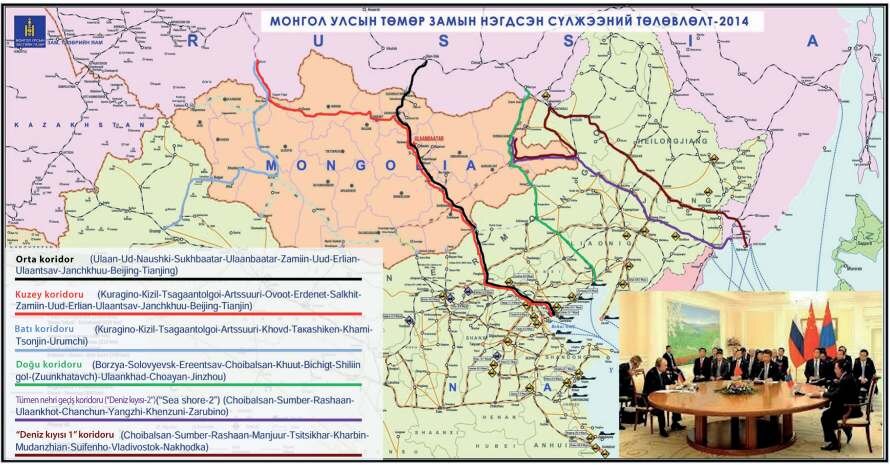
The Transport Corridor competition between the East, Middle, and West railway proposals reveals the complex bargaining among China, Mongolia, and Russia within the SCO framework, each seeking to align regional connectivity with their respective national interests.
Under the label of China-Mongolia-Russia Economic Corridor (Figure 1), which is one of six key corridors of the Belt and Road Initiative (BRI) and embedded in the SCO’s strategic direction, the three main railway proposals —East Line, Middle Line, and West Line— demonstrate distinct interests that potentially serve one of its two neighbors sympathetically. These strategic corridors can be implemented in order, in line with Mongolia’s strategic move to balance its geopolitical and economic interests (Dorj & Davaasüren, 2020).
Figure 1. Mongolia-Russia-China Economic Corridor
The Eastern Corridor, which includes the Choibalsan–Khuut–Zuunkhatavch route, is in China’s interests. The Eastern route connects Russia’s Borzya to Mongolia’s eastern provinces. Finally, it terminates in Inner Mongolia and the Northeastern Chinese port of Jinzhou, totaling 434.2 km in Mongolian territory (Government Agency for Policy Coordination on State Property, 2023). The project is expected to transport up to 100,000 passengers and 20 million tons of coal, oil, iron ore, and transit cargo per year, with a payback period of 15.38 years (Dorj & Davaasüren, 2020). The main profitable aspect of this line is intensifying trade in underdeveloped areas of Mongolia, Russia, and China, with the potential for high economic activity due to their abundant resources. At the regional level, the Eastern route will be the preferred option if geopolitical tensions on the Korean Peninsula are de-escalated and interconnectivity in Northeast Asia is promoted, an issue that Mongolia actively works on (Dorj & Davaasüren, 2020).
Mongolia’s transport development strategy has emphasized the creation of additional railway corridors to complement the existing Central Corridor, thereby easing the load on the Sainshand-Zamiin-Uud-Erenhot-Ulaantsav route to a considerable extent. Currently, the Railway of Central Corridor in Mongolia is operating at its maximum capacity, and it is necessary to expand capacity and invest to increase the volume of cross-border transit cargo (Dorj & Davaasüren, 2020). Mongolia completed the Zuunbayan– Khangi railway in 2022, connecting its national railway network to the Khangi–Mandal border crossing with China (UN-OHRLLS, 2022). This railway provides access to the Chinese Inner Mongolian railway network, which serves major industrial centers such as Baotou and Hohhot. The development of industrial projects in the Sainshand region, including the ongoing oil refinery project, has further increased the strategic importance of expanding railway connectivity in southern Mongolia (Dorj & Davaasüren, 2020). The central railway corridor of the Trilateral Economic Corridor is planned to extend for 5,975 km. Feasibility studies have been completed for the 328 km Jining-Erenhot railway line on the Chinese side and the 254 km Naushki-Ulaan-Ude railway line on the Russian side (Ministry of Road and Transport of Mongolia, 2024). The feasibility study also includes the construction of a 1,087 km second railway line from the Sukhbaatar-Zamiin-Uud railway line on the Mongolian side (Ministry of Road and Transport of Mongolia, 2023).
Railway development along the West Line remains limited, whereas the highway network is comparatively well established. The Asian Highway Network AN-4 (Ulaanbaishint-Ulgii-Khovd-Yarantaar), spanning 725 km within Mongolian territory to Urumqi, China, is currently well developed (Dorj & Davaasüren, 2020). In contrast, the transverse route AN-32, also known as the Millennium Road, is not yet fully developed and primarily serves local needs rather than fulfilling its intended international role of connecting neighboring countries (Dorj & Davaasüren, 2020). As of May 29, 2024, the main road infrastructure for the Artssuuri-Altai-Nariinsukhait-Shiveekhuren railway network was completed (Jargalsuren & Byambanaran, 2024). A branch line has been proposed to extend from the network southwest of Altai City, connecting to the Chinese railway via the port of Burgastai and leading to Xinjiang, China (Dorj & Davaasüren, 2020). This route may receive support from Russia. Within Mongolia’s western export corridor, the Gashuunsukhait-Gantsmod cross-border railway is under construction to facilitate coal exports from the Tavan Tolgoi deposit to China. After a 16-year delay, this project has recently been prioritized as a major government infrastructure initiative to expand mining capacity and stabilize long-term coal trade between Mongolia and China (Khaliun, 2025a).
The eastern and western routes remain incomplete. Based on current conditions, the Central Corridor is the most strategically and practically feasible option for initial implementation. This corridor already facilitates a substantial portion of cross-border trade, particularly mining exports to China. In addition to its operational status, multilateral discussions within the SCO have underscored the importance of enhancing regional connectivity and transport corridors. Declarations from the 2019 SCO Summit in Bishkek and the 2022 SCO Summit in Samarkand emphasized the development of efficient transport routes and logistics networks in the region (SCO, 2019; SCO, 2022). In light of these recent declarations, the Central Corridor offers the most promising prospects for early implementation among the three routes. At the same time, the other two remain in preliminary planning stages and face additional challenges.
In 2025, Mongolia ratified an agreement with China to construct the Gashuunsukhait-Gantsmod railway, linking the Tavan Tolgoi coal mine directly to China’s rail network. Mongolia is committed to exporting 27 million tons of coal between 2025 and 2029. From 2030, 20 million tons will be transported to China. Over 16 years, approximately 247 million tons of coal will be consumed in China (Khaliun, 2025a). While it is formally a bilateral project, Mongolia leveraged its low-key presence through diplomatic channels and local policy under the broader SCO framework, such as engaging the SCO Interbank Association, where the Development Bank of Mongolia became a partner (Amarsaikhan, 2016), to secure favorable transportation terms. Though IBA did not fund the agreement, the SCO is largely shaped by China’s financial leadership, and, technically, Mongolia’s agreement with China is considered an attempt to participate in the SCO’s development agenda.
Leveraging Resource Power
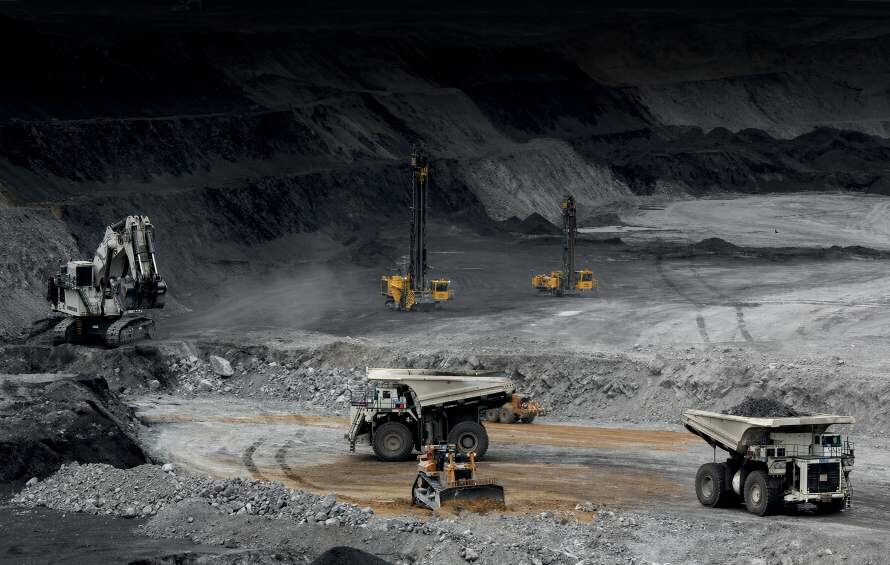
Geopolitics and national security are not the sole justification for Mongolia’s strategic behavior towards the SCO; internal tensions over sovereignty and national control are a significant determinant, particularly regarding its natural resources, which account for the majority of Mongolia’s GDP. The Tavan Tolgoi is a symbolic pursuit of Mongolia’s effort to assert domestic authority, being one of Mongolia’s largest mining deposits in terms of both production and profitability. This coal resource accounts for more than 20% of the country’s budget revenues (1.1 billion dollars for January to October 2023) (Kushhov, 2024). It attracts many investors, mostly from China, and they repeatedly propose joint development. However, Mongolia has been reluctant to enter into any arrangement that would grant foreign entities a controlling share due to fears of economic dependency and a loss of national autonomy.
Public opposition, parliamentary scrutiny, and institutional monitoring have pushed the state to maintain ownership of Tavan Tolgoi through Erdenes-Tavan Tolgoi, a state-owned enterprise. In doing so, Mongolia demonstrates a form of internalized checks and balances, where domestic institutions act as guardians of sovereignty against the prevailing economic hegemony of foreigners. In 2012, the Mongolian government planned to launch a $3 billion initial public offering (IPO) of the Tavan Tolgoi, aiming to sell 29% of the company on the London and Hong Kong stock exchanges with the state-owned Erdenes-Tavan Tolgoi. (The Moscow Times, 2012). Previous attempts to collaborate with China’s Shenhua, Peabody from the United States, and a Russian-Mongolian joint consortium on the project were discontinued, as the government pursued selective partnerships with Japanese and South Korean investors. In response to public concerns about foreign control of strategic sectors, the Mongolian parliament enacted the Strategic Entities Foreign Investment Law in May 2012 to restrict foreign ownership in industries such as mining, finance, media, and telecommunications (U.S. Department of State, 2013). According to the law, it was not allowed for foreign investors’ stake to exceed 49% in companies operating in these sectors, or for cooperation deals valued at over 100 billion Tugrik or involving state-owned firms (U.S. Department of State, 2013). It would have been even stricter for investors if it had followed each subject in the initial draft.
Mineral resources solidify Mongolia’s broader diplomatic standing in the international arena. In a similar vein, Mongolia’s long-standing observer status in the SCO has led it to explore possible cooperation in mining and infrastructure. However, deep down, this Northeast Asian country resists being drawn into the influential web of powerful countries, which could potentially jeopardize national strategic control. The Tavan Tolgoi case shows how natural resources play a significant role in Mongolia’s institutional leverage—shaping its economic structure in a way that flatters its own sovereignty and, thus, resists the depth of foreign influence.
Leveraging Role Identity
Between 2015 and 2023, Mongolia promoted its image within the SCO framework to enhance its diplomatic role, and its acceptance rate for proposals at the SCO Summit rose significantly. Mongolia’s diplomatic discourse at SCO summits has evolved from that of a peripheral observer to a normative contributor on issues like infrastructure development, non-traditional security, and connectivity for landlocked states. A qualitative review of the summit speeches by Mongolia’s presidents reveals the country’s rhetorical strategy.
President Elbegdorj Tsakhia’s 2016 address to the SCO Summit (Indra, 2016) reveals how Mongolia utilizes diplomatic gestures to assemble its identity as a constructive and integrated regional player. By repeatedly using brief, smooth language to congratulate India and Pakistan, who were nearing full membership in the SCO and the host country, Elbegdorj advances Mongolia’s overall image as a conciliatory, cooperative, and respectful observer. At the strategic level, he proposed a “6+5” meeting to increase the value of observer states. Through that institutional mechanism, it can promote active interaction between full members and observers like Mongolia; in that case, he sought to build an activist presence for Mongolia as a norm entrepreneur. His words regarding Mongolia’s “huge transit transport potential” and focus on the trilateral corridor with Russia and China, leveraging Mongolia’s geographic location, aim to frame Mongolia as a valuable regional connector capable of coordinating among the SCO, the Eurasian Economic Union (EAEU), and China’s BRI (Indra, 2016). Similar to its cautious approach to the SCO, Mongolia is not a member of the EAEU. However, it maintains limited economic engagement with the bloc, as demonstrated by the ratification of a 2025 interim trade agreement intended to expand trade cooperation without full institutional integration (State Great Khural of Mongolia, 2025). These chosen narratives reveal Mongolia’s strategic interest in leveraging its diplomatic benefits within multilateral platforms by aligning national capabilities with regional development concerns. Elbegdorj’s rhetoric frames Mongolia’s foreign policy role as fundamentally oriented toward bridging, contributing, and upholding international norms.
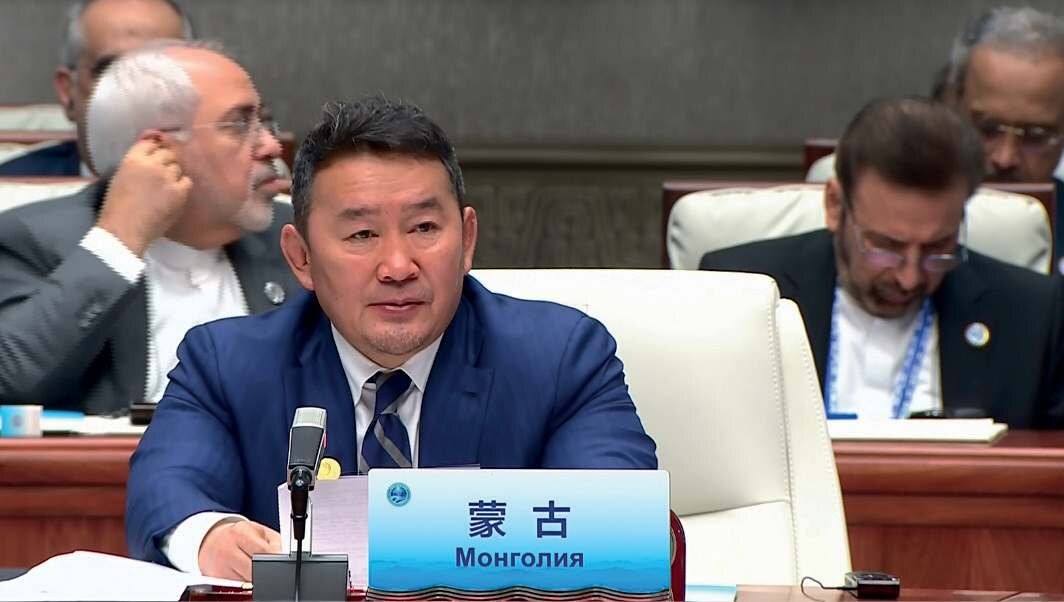
President of Mongolia Battulga Khaltmaa held a speech at the Plenary Session of the 18th Meeting of the Council of Heads of Member States of the SCO in Qingdao, China, in 2018 (Office of the President of Mongolia, 2018). President Battulga’s 2018 SCO address has strengthened Mongolia’s strategic development as a comprehensive, multilateral, and economically cooperative and welcoming country. He praised the SCO’s expanded scope of activities, which align with Mongolia’s standing to enhance its regional value. By characterizing Mongolia as a “willing contributor” and a “bridge” to cooperation among members, observers, and dialogue partners, Battulga articulates a diplomatic approach grounded in partnership and practical integration. His repeated use of phrases about Mongolia’s readiness, such as “we are ready,” “we wish to work actively,” and “we hope you will support,” delivers a tone of cooperative engagement among the SCO countries. Once again, as with Elbegdorj, the weight placed on Mongolia’s future trajectory involving the Economic Corridor with its immediate neighbors through China’s BRI and Russia’s EAEU conveys a discourse of connectivity-oriented neutrality, promoting synergy without a strict bloc mechanism (Office of the President of Mongolia, 2018). Moreover, even though he has not specified the exact mechanism for calling on observers and dialogue partners to show active participation, like Elbegdorj’s “6+5”, Mongolia is still keen on pursuing lively interaction with the SCO countries, as he included it as a low-key presence in his speech. Thus, it suggests that Mongolia prefers to remain an observer, but it can serve as an important contributor to the SCO’s further expansion. Throughout his speech, Battulga champions Mongolia’s foreign policy within the SCO as a neutral facilitator, a committed observer that is not passive, and a proactive contributor to regional agendas.
President of Mongolia Khurelsukh Ukhnaa addressed the 2024 Meeting of the Council of Heads of State of the SCO in Astana (Office of the President of Mongolia, 2024). President Khurelsukh’s speech outlines Mongolia’s foreign policy as anchored in a “peaceful, open, multi-pillar, and independent foreign policy” and by naming Mongolia “Transit Mongolia” and highlighting its role as a link between Asia and Europe, Khurelsukh’s speech advocates for present Mongolia’s external potential as a narrative of regional connectivity and logistical centrality. His drawings for the “One Billion Trees” initiative and his preparations to host the 17th Conference of the Parties (COP17) further underscore Mongolia’s ambition to become a crucial actor at the global level by demonstrating an active commitment to non-traditional issues despite its limited resources. Moreover, he calls on the countries in the meeting to consider cooperating with the International Think Tank for Landlocked Developing Countries. He signals Mongolia’s efforts to lead on niche multilateral issues (Office of the President of Mongolia, 2024). Overall, Khurelsukh’s words and linguistic behavior promote Mongolia’s diplomatic presence in the region through neutrality, infrastructure diplomacy, and international legitimacy.
Across the speeches of Presidents Elbegdorj, Battulga, and Khurelsukh, Mongolia portrays itself as a neutral, cooperative, and strategically relevant state within the SCO, given its potential to strengthen trade among members. Together, their rhetoric attracts other members to Mongolia, positioning it as a connector state and seeking influence through infrastructure diplomacy, soft power, and multilateral cooperation, despite its size in the international arena.
Mongolia’s Practice of Institutional Balancing
Institutional balancing constitutes a central element of Mongolia’s broader hedging strategy. Whereas hedging denotes a general policy of maintaining flexible relations with major powers, institutional balancing specifically involves leveraging multilateral institutions to expand diplomatic options and mitigate reliance on major powers. Mongolia’s engagement with the SCO demonstrates the intentional application of its dual strategic logic, operationalizing hedging and leveraging through targeted and innovative practices. This approach is characterized by tactical agility and entrepreneurial agency, moving beyond the constraints of passive membership. Through selective embeddedness, agenda reframing, and institutional nesting, Mongolia actively shapes its participation to maximize autonomy and influence. These practices elucidate the concrete mechanisms of institutional balancing, illustrating how a small state can transform a multilateral platform into a strategic instrument for advancing national interests.
Selective Embeddedness
The rationale behind Mongolia’s ambiguous stance on neutrality is multifaceted. On one hand, its association with the organization can provide Mongolia with beneficial contacts and foster a positive regional atmosphere. Geographically, Mongolia is bordered solely by China and Russia, and its existence and future development are intrinsically linked to these two nations. Mongolia has a profound understanding of this situation and has strengthened its strategic relations with them at the policy level, particularly emphasizing its ties with Russia and China. However, maintaining a certain distance from the organization can preserve Mongolia’s flexibility in its foreign policy. Engaging with the organization as an observer state rather than a member may allow Mongolia to cultivate goodwill without necessitating formal alignment processes.
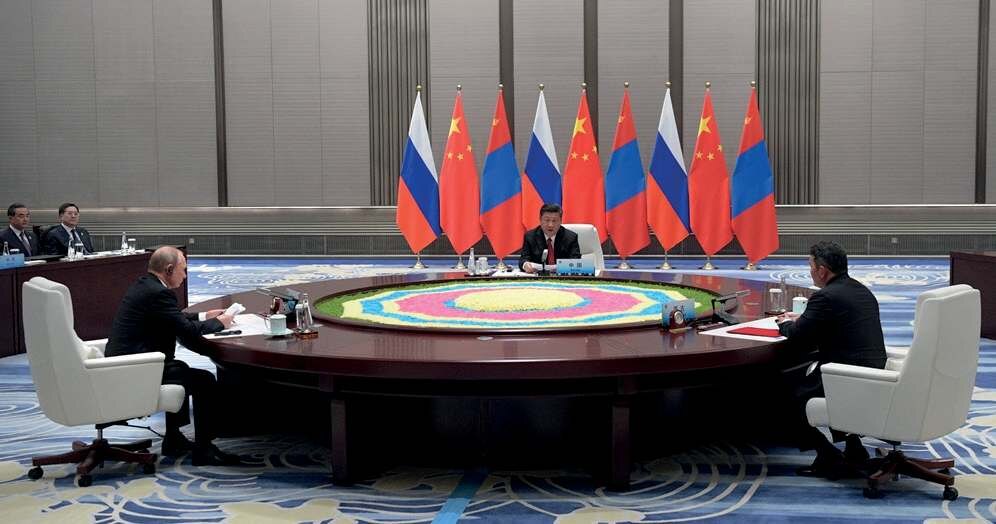
Although other member states have not made explicit statements regarding Mongolia’s participation in the Shanghai Cooperation Organization (SCO), both Russia and China have encouraged Mongolia to consider full membership. For instance, Russian Foreign Minister Sergey Lavrov described Mongolia as an “obvious candidate” for SCO membership and indicated that member states would support Mongolia’s membership bid. Additionally, China extended a formal invitation for Mongolia to participate in SCO activities at a higher level (TASS, 2024; CGTN, 2018). Since 2004, Mongolia has maintained observer status for two decades and has not yet attained full membership. Mongolia’s cautious rumination about the SCO must be understood in the context of fundamental shifts in Sino-Russian strategic alignment, notably consolidated following the 2014 Joint Statement in Shanghai between Moscow and Beijing, shortly after the Russian invasion of Crimea, which then faced western sanctions. While Mongolia is not explicitly mentioned, it vows to deepen ties across the branches of military, economic, and regional policy coordination (Deutsche Welle, 2014). It understandably signals multiple hints to Mongolia as the joint declaration underscored a more unified bloc posture in Eurasia, certainly to go against the winds of Western allies. For the Mongols—a small, landlocked country that serves as an intermediary between them—this strategic kinship between Moscow and Beijing may pose some dilemmas. It reinforces Mongolia’s motivation to avoid entanglement in this anti-Western, bloc-oriented interaction.
This external impulsion may enable Mongolia’s shiftless mode to remain in observer status within the SCO for longer, making the country keen to pursue greater institutional engagement as a hedging approach, rather than committing to full membership. The former Foreign Minister Munkh-Orgil Tsend’s opinion is that, on paper, joining or withdrawing from membership is portrayed as self-gratification. However, in reality, it is unlikely to happen and almost impossible. Another significant point he makes is that Mongolia has already received sufficient information from this organization as an observer, so the advantage of becoming a full member may not yield better results (Lkhagvajargal, 2018). From the outside, Mongolia’s international image after attaining full membership may be perceived as completely under the influence of its two large neighbors. Moreover, he agonizes that the SCO is not a military organization in the true sense; however, given its history of establishment and developmental phases, there is a high probability that it will become a political bloc on the one hand and a military bloc on the other. Furthermore, from a geopolitical perspective, the heightened Sino-Russian alignment softens Mongolia’s diplomatic maneuverability, increasing the burdens of genuine sense arising from the Third Neighbor Diplomacy policy and multilateral engagements with the West. Thus, Mongolia’s indecision on SCO membership is not only a strategic calculation but also a proper response to evolving external pressures in its geopolitical environment.
Agenda Reframing
Through its reframing, Mongolia shifted the issue of uranium transport safety from “nuclear non-proliferation” to “cross-border infrastructure protection.” Mongolia’s uranium sector has seen a shift in strategic policy from traditional nuclear non-proliferation concerns to cross-border infrastructure protection. This reframing occurred due to the nation’s cross-border goals of economic development and geopolitical positioning. In 1992, the first President of Mongolia, Ochirbat Punsalmaa, addressed the 47th session of the UN General Assembly and declared that Mongolia would become a nuclear-weapon-free zone and work to secure it internationally (National University of Mongolia, 2017). The five permanent members of the UN Security Council (P5) were surprised by Mongolia’s declaration, as at that moment the establishment of a nuclear-weapon-free zone by a single state’s initiative was unprecedented in international relations and could upset the strategic calculations of the great powers. The UN General Assembly adopted a resolution on “Mongolia’s International Security and Nuclear-Weapon-Free Status” in 1998, following Mongolia and the P5 reaching common ground on the issue. Mongolia ranks 12th in terms of uranium reserves, accounting for 1% of the world’s total (World Nuclear News, 2025). The conventional understanding of uranium is largely that it is highly toxic and extremely hazardous, posing a real challenge to further development in this branch.
However, with a new focus on developing its uranium mining sector, Mongolia has shifted its uranium agenda from “never-using” to “economic benefits”. Mongolia is known to have rich uranium resources, but uranium mining has been halted since 1995. In 1997, the French company Orano began uranium exploration in the Gobi Desert, where it eventually discovered deposits at Dulaan Uul and Zuuvch Ovoo in 2002 and 2010, respectively. The Orano Group and the Mongolian Government agreed to sign a cooperation agreement for the Zuuvch Ovoo project in 2025, attracting foreign investment to the country. Yellowcake produced in Mongolia will be transported to France via China by sea. Over 50 large and small nuclear power plants are being built in China (Khaliun, 2025b). Transportation shall be coordinated through an agreement between France and China, and it is clear that China is granted a certain percentage of use of its territory. This opens the door to opportunities for Mongolia and the SCO members in this kind of cooperation.
Institutional Nesting and Innovation
Through its efforts, Mongolia secured the incorporation of the principles of its “Law on the Protection of Nomadic Cultural Heritage” into the SCO Tourism Cooperation Framework. Cultural immunity is mostly taken at the top level, from a national security perspective, among many nations. For example, Mongolians are called nomadic people, thus making the biggest difference from their two neighbors with sedentary civilizations. Protecting tangible heritage, such as Mongolian yurts, deer statues, and rock carvings, and intangible heritage, such as the dairy and meat-processing methods practiced by Mongolians for thousands of years, is important for preserving cultural identity. Mongolia’s legal basis for its commitment to its nomadic cultural heritage is the “Law on the Protection of Cultural Heritage”, revised in 2021 and serving as a comprehensive framework for protecting both tangible and intangible cultural assets (Ankhtuya, 2022). The similarities between Mongolia and Central Asian countries are reasonable, given their histories and shared cultural traits. It is another issue where Mongolia can leverage its significant position in SCO activities.
One of the SCO’s priorities is humanitarian affairs. The SCO member states have accumulated extensive experience in implementing practical, fruitful cooperation across areas such as culture, education, the environment, youth policy, sports, tourism, and the media (Davaadorj & Damdinsuren, 2022). Member states of the SCO recognize the importance of cultural and humanitarian cooperation. The Astana Declaration has set the way for the preservation of historical and spiritual heritage, including indigenous peoples’ traditional cultures (SCO, 2024). The organization aims to expand the scope of mutually beneficial cooperation in tourism and develop tourism infrastructure among members, guided by the adoption of a Joint Action Plan to implement the SCO Tourism Cooperation Program for 2024–2025.
Given the alignment between local legislation and the SCO’s regional initiatives in culture and tourism, Mongolia can contribute to the broader standardization and integration of cultural heritage preservation. This reciprocity enhances not only Mongolia’s cultural diplomacy but also the SCO’s objectives of promoting cultural diversity and sustainable tourism development.
Conclusion
Since the 1990s, in an attempt to diversify its foreign partners beyond Russia and China and broaden its multilateral diplomacy, Mongolia took a major step by adopting strategic flexibility at the policy level, declaring the Third Neighbor Diplomacy policy. The essence of this brand-new policy at this time is to create a favorable environment for strengthening political and economic ties with highly developed countries, notably the US, the EU, Japan, and South Korea (Aktamov et al., 2019).
The Western countries saw Mongolia as a strategic asset in East Asia and were willing to plant democracy and an open-market economy in the country; thus, Mongolia was seen as an experiment to test the principles and methods of democratic transition. This policy is dedicated to diminishing strategic vulnerability and safeguarding its own autonomy amid the unpredictable dynamics of international relations.
In 2004, a special observer status was created for countries such as Mongolia (Adiya, 2023). Since the guarantee of Mongolia’s security lies in good relations with its two neighbors, maintaining its observer status rather than joining the SCO is undoubtedly an important position that will not conflict with other regular features of Mongolia’s open and multi-pillared foreign policy and the interests of “third” countries in Mongolia in the current difficult international situation. Thus, Mongolia has not applied to become an SCO member for proper reasons (Li, 2018). Strategically, the notable reason is its multi-pillar and “Third Neighbor” foreign policy. Normal development of ties with the US, the EU, or East Asian Giants like South Korea or Japan, is an essential part of its survival in a buffer zone between superpowers. There are certain risks arising from full-fledged membership in the SCO, which is operated under the guidance of China and Russia, and being wary of its diplomatic independence and relations with third neighbors after participation.
By clinging to observer status amid possible pressure from superpowers, Mongolia has strategically shaped its own agenda for rule, proposing mechanisms suitable for observers. This approach offers plenty of opportunities for Mongolia, where its national goals can meet regional needs. Through discourse-driven diplomacy—from President Elbegdorj’s “6+5” framework to Khurelsukh’s environmental cooperation address landed on the SCO, and Battulga’s connectivity-oriented rhetoric—Mongolia has paved an unhindered path for its foreign policy that prioritizes neutrality, contribution, and cooperation. This requires a long, ongoing implementation to see its final results, but it is consistent. Institutional balance and a multilaterally-based agenda do safeguard Mongolia’s sovereignty. However, they also underpin the country’s ability to pursue innovative engagement in complex regional settings, offering a valuable experience for other small and medium-sized nations.